Thursday, November 13, 2014

The Beautiful US Cars of the 40s and 50s

The Beautiful US Cars of the 40s and 50s


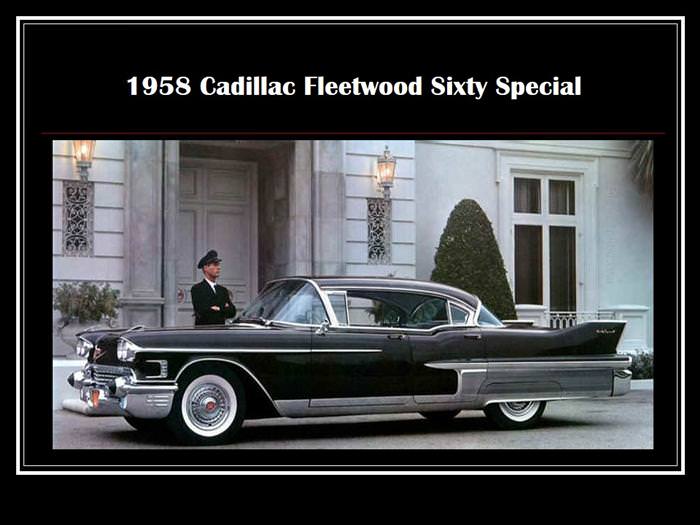
The classic American cars of the 40s and 50s will always have a place of fame in the history of car manufacturing, and a place of honor on any shelf of a model collector.
classic us cars

After world war II, 1940s and 1950s cars became lower, longer and broader in look, as well as more massive and hefty. The semi automatic transmission was introducted by Hudson, and the driver could change between manual and semi-automatic with the push of a button. 
classic us cars

The US-made cars offered huge trunk sizes, width and length. In the 1940s a new car cost about $800 and a gallon of gas was about 18 cents - not a bad deal.
classic us cars

classic us cars

classic us cars

classic us cars

classic us cars
In the 50s, chrome was introduced to more cars and also a more luxurious look in a country slowly getting back to its feet after the war. The 1950s saw a huge boom in American car manfucaturing, and during that time, the US made more cars than England, France, Japan, Sweden and many other nations put together - and many times over.  The 50's was the decade of cars, and the huge demand saw both Ford and GM hit the 50 million car mark.    
classic us cars

classic us cars

classic us cars

classic us cars

classic us cars

classic us cars

classic us cars

classic us cars

classic us cars

classic us cars

classic us cars

classic us cars

classic us cars

classic us cars

classic us cars

classic us cars

classic us cars

classic us cars

classic us cars

classic us cars

classic us cars

classic us cars

classic us cars

classic us cars

classic us cars

classic us cars

classic us cars

classic us cars

classic us cars

classic us cars

classic us cars

classic us cars

classic us cars

classic us cars

classic us cars

classic us cars


The Art of Japanese Gardens

The Art of Japanese Gardens

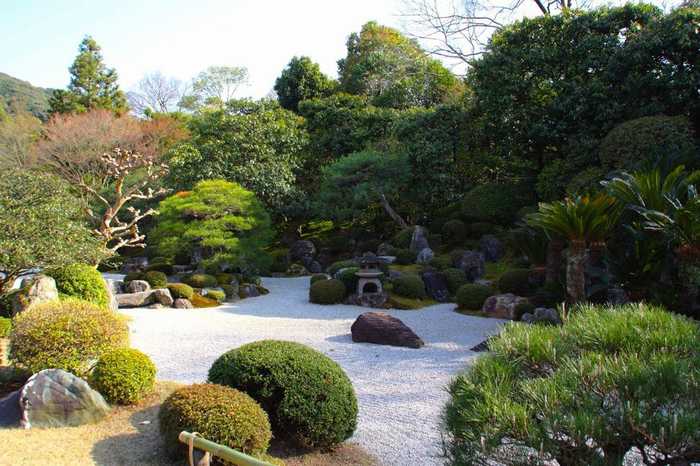
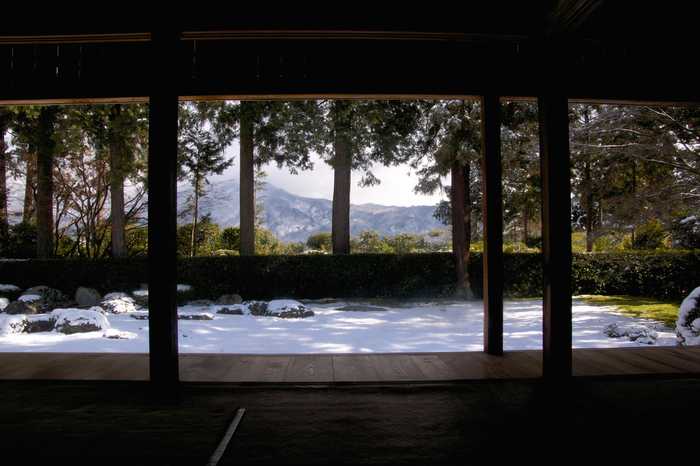
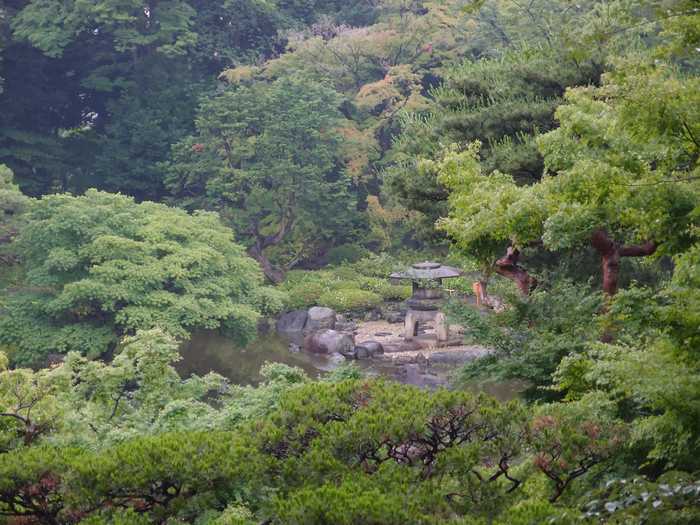
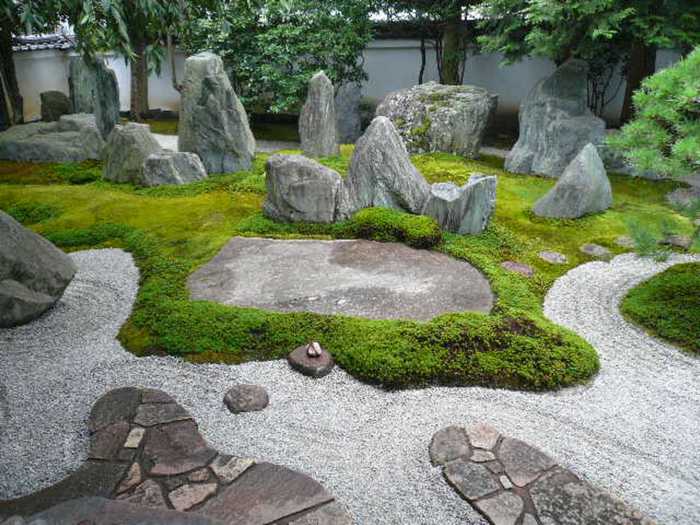
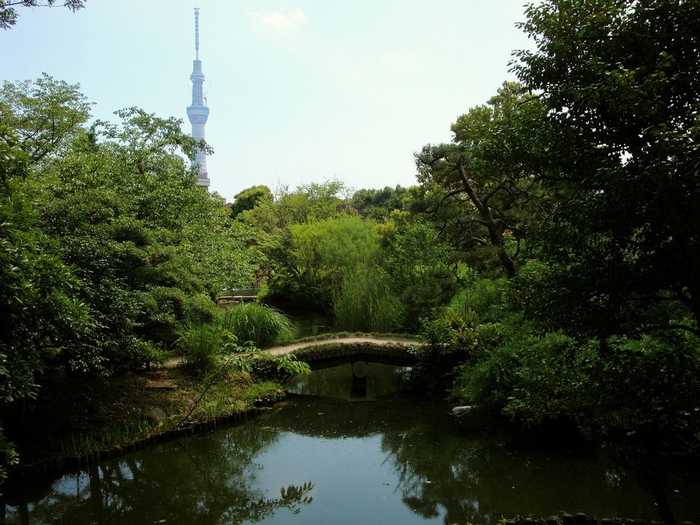
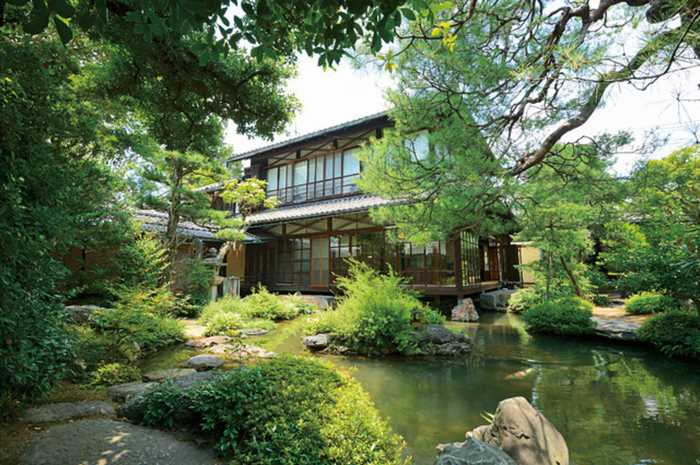
The Japanese art of gardening is an ancient one. It involves the careful planting of each flower, bush, and tree to achieve a medium between natural and orderly. These gardens are meticulously maintained and often contain ponds & Zen gardens. Join me on a trip through 25 of the most beautiful gardens in Japan:
Chion-in
The gardens of a Buddhist temple built in 1234, located in Kyoto. The temple was built in memory of Hōnen, a Buddhist teacher.
When Nature Meets Structure - The Art of Japanese Gardens
Entsūji
In the northern part of Kyoto, you’ll find Entsuji temple. Established in 1678 by Emperor Reigen, who had an affinity for gardens. The garden itself has over 50 species of Camellia (of which tea is made).
When Nature Meets Structure - The Art of Japanese Gardens
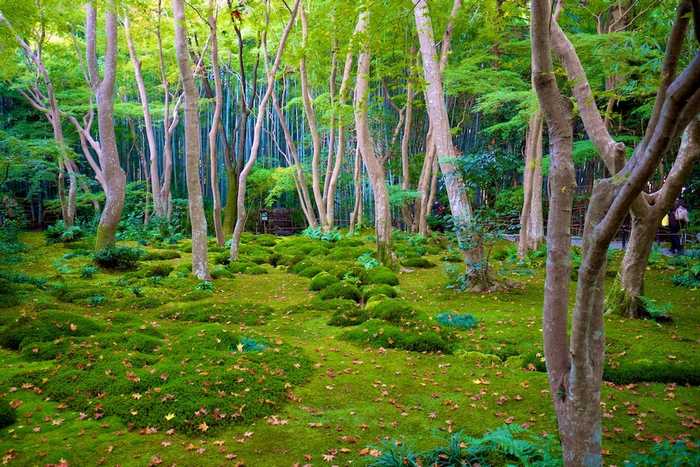
Giō-ji
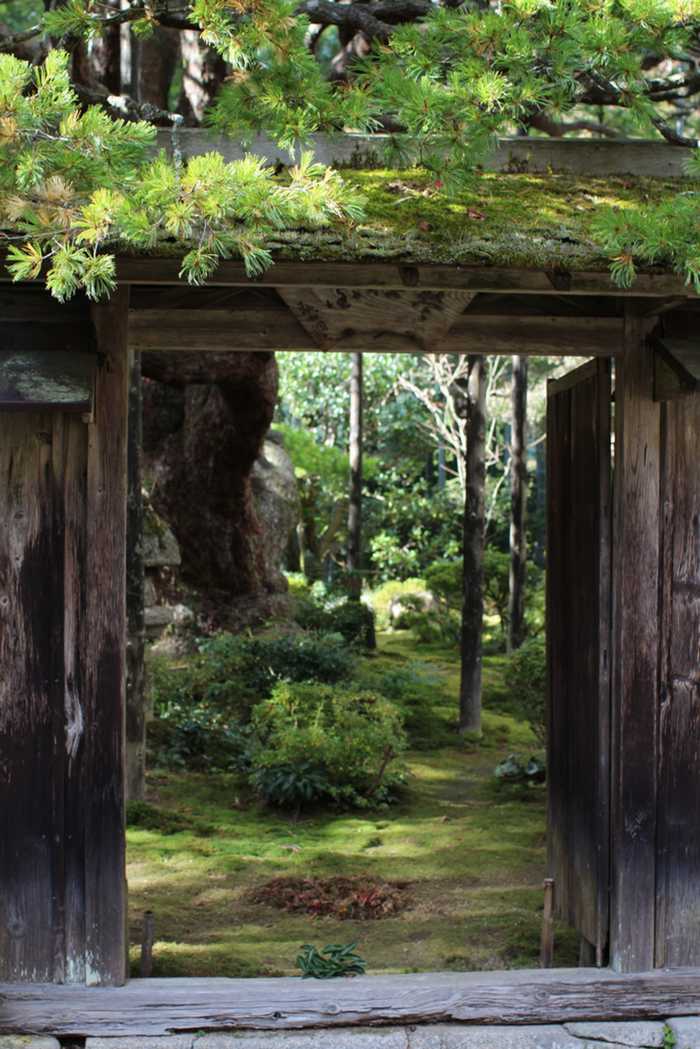
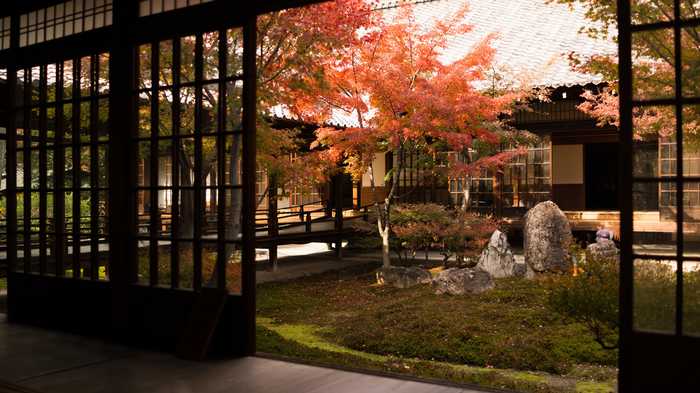
Gio-ji is a quiet temple, surrounded by trees and a lush moss garden. The temple is named after Gio, a dancer from 12th-century Japan, who fell in love with a powerful leader, but when he ended their relationship, she became a Buddhist priestess.
When Nature Meets Structure - The Art of Japanese Gardens
Happō-en
Built in the early 17th century along the hills of the Edo region. With a beautiful stream running through it, it houses many bonsai trees, most of whom are over 100 years old, with one being over 500 years old.
When Nature Meets Structure - The Art of Japanese Gardens
Hase-dera
Hase-Dera is an ancient Buddhist temple, originally built in 686 C.E. in honor of emperor Temmu. The temple has been burnt and rebuilt 10 times throughout history. Nowadays, it is a favorite tourism spot, and the place is usually filled with visitors.
When Nature Meets Structure - The Art of Japanese Gardens
Hōsen-in
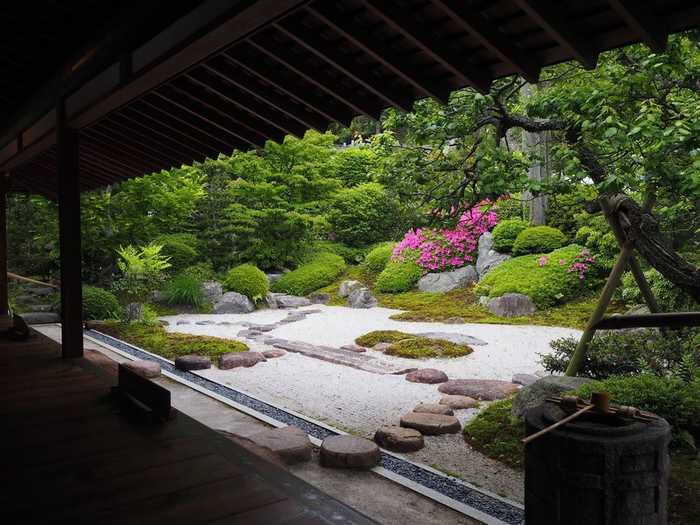
A temple of the school of Zen Buddhism, Hosen-in is one of the older temples in the region. Constructed in 1012, it houses an amazing garden, where visitors are invited to sit and contemplate while sipping on green tea provided by the monks.
When Nature Meets Structure - The Art of Japanese Gardens
Jōmyō-ji
The temple was founded in 1188 and is dedicated to Zen Buddhism. The magnificent Zen garden is overlooked by a tea house, allowing visitors a relaxing cup of tea as they sit and contemplate.
When Nature Meets Structure - The Art of Japanese Gardens
Jōruri-ji
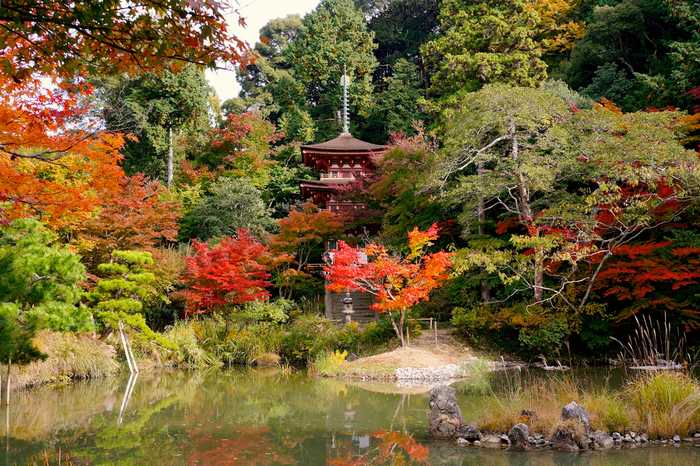
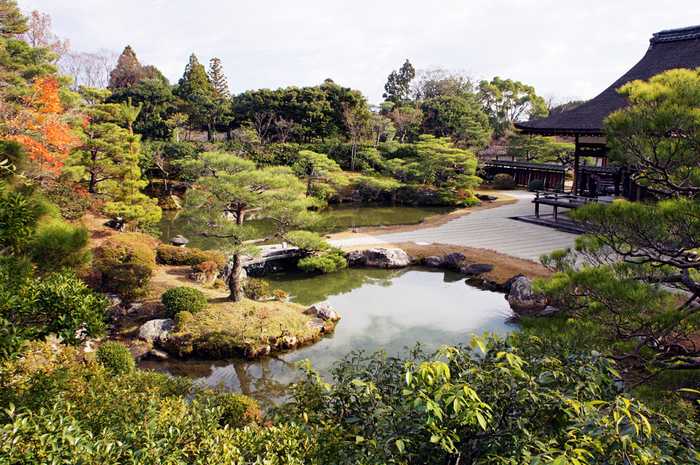
The garden is part of a Buddhist temple, built in 1047. The temple is located by a pond representing the ocean, which separates life and death. It is one of the last of the Paradise Gardens from the Heian period.
When Nature Meets Structure - The Art of Japanese Gardens
Kajū-ji
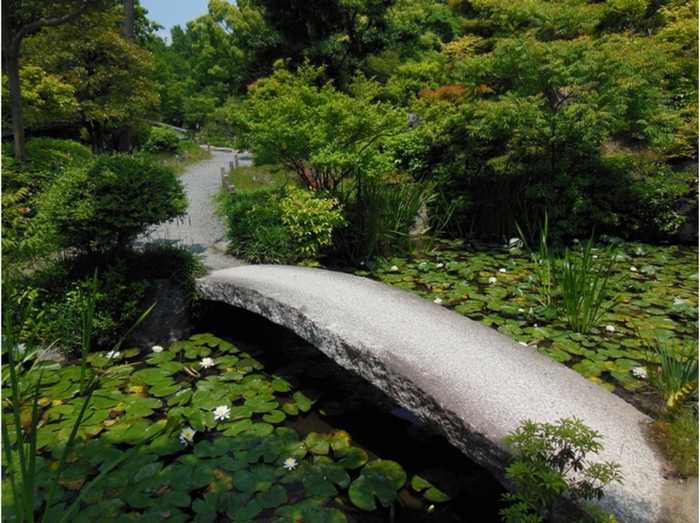
After the death of his mother in 900 C.E., emperor Daigo built this temple in her memory. In the midst of its garden lies a pond filled with water-lilies. It is said that the pond used to be sailed upon by poem-writers, though today you may only stroll alongside it.
When Nature Meets Structure - The Art of Japanese Gardens
Kennin-ji
Zen was introduced to Japan by the monk Eisai, who is now buried in the grounds of this temple. Founded in 1202, it’s considered one of the most important Zen temples in Kyoto.
When Nature Meets Structure - The Art of Japanese Gardens
Kiyosumi Teien
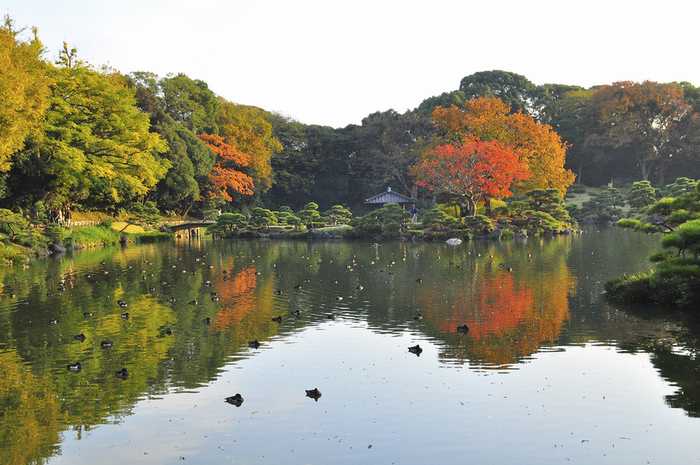
Covering 81,000 square meters (50 square miles), these gardens were built by the founder of Mitsubishi for the enjoyment of his employees. The gardens surround a lake that serves as the focal point of the gardens. There are 3 islands in the lake, with a teahouse on one.
When Nature Meets Structure - The Art of Japanese Gardens
Kyū-Furukawa Teien
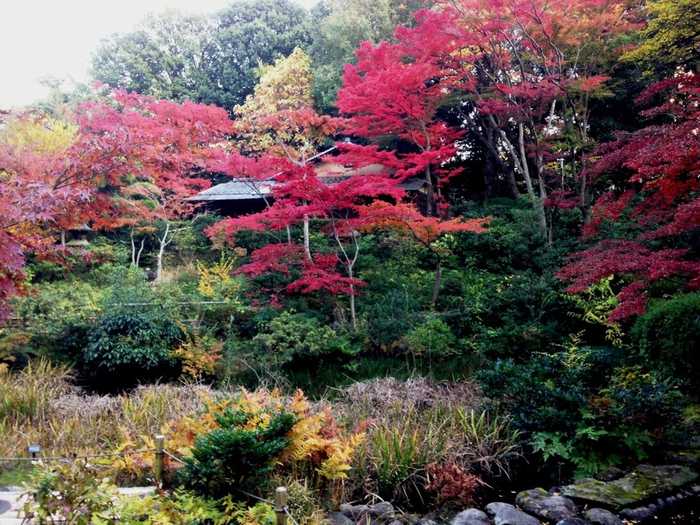
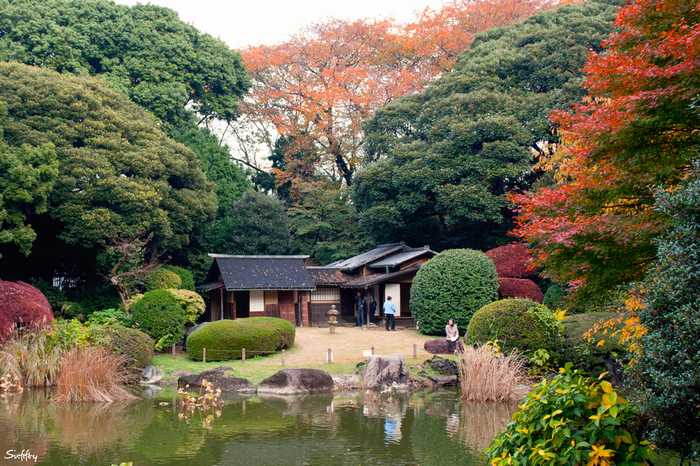
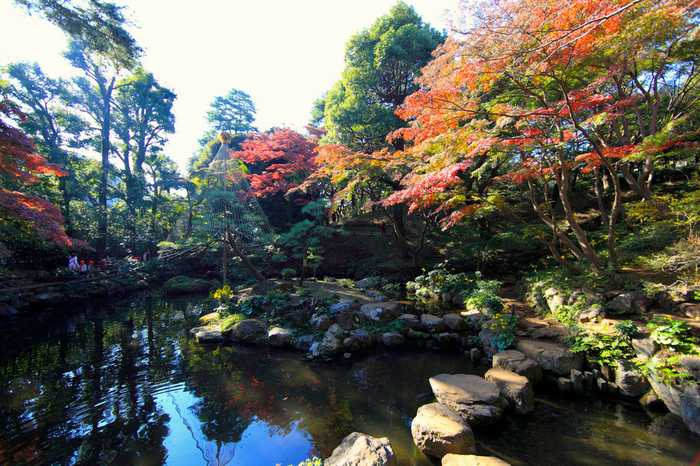
Located in Tokyo, the gardens house Japanese maples that turn bright red in the fall, and a rose garden that produces spectacular flowers.
When Nature Meets Structure - The Art of Japanese Gardens
Mirei Shigemori Garden Museum
Originally a traditional house from the Japanese Edo period(the end of the 18th century), the Shigemori house is now a garden museum.
When Nature Meets Structure - The Art of Japanese Gardens
Mukōjima-Hyakkaen
This flower garden is located in Tokyo and is not a traditional Japanese garden. It has one surviving flower garden from the Edo period. Mukōjimacomes from the region’s old name and Hyakkaen was chosen to mean "a garden with a hundred flowers that bloom throughout the four seasons".
When Nature Meets Structure - The Art of Japanese Gardens
Namikawa Cloisonne Museum
This small garden was once the home of one of Japan’s most loved artists – Namikawa. It has been preserved and kept in its original state. Not known to many, the garden, while not large, is quite magical.
When Nature Meets Structure - The Art of Japanese Gardens
Nezu Museum
Opened in 1940, this museum was severely damaged the by the allies’ bombing of Tokyo in 1945. It was renovated after the war, and the garden now is back to full glory. Containing 2 ponds, which are connected by small streams, you’ll also find teahouses and a beautiful garden lantern.
When Nature Meets Structure - The Art of Japanese Gardens
Ninna-ji
Ninna-ji is the head temple of Shingon Buddhism in Japan. It was founded in 888 C.E. by emperor Uda and is part of the historical monuments of ancient Kyoto – a UNESCO world heritage site.
When Nature Meets Structure - The Art of Japanese Gardens
Reiun-in
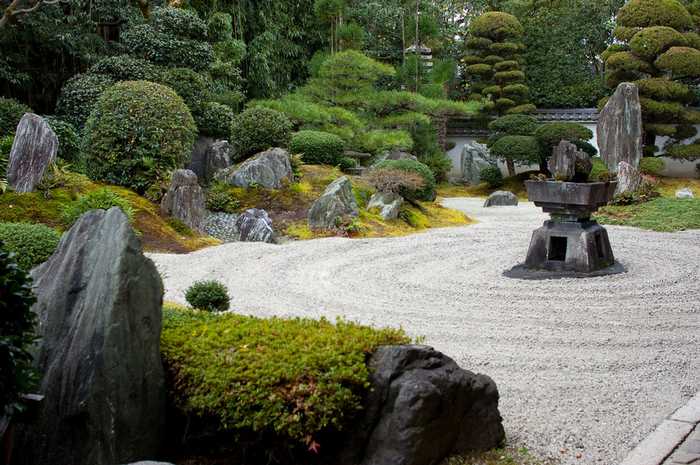
These 470-years-old gardens belong to the Reiun-in temple of Zen Buddhism. The gardens were neglected for many years until they were renovated and redesigned in 1970 by renowned Japanese artist Shigemori Mirei.
When Nature Meets Structure - The Art of Japanese Gardens
Sanzen-in
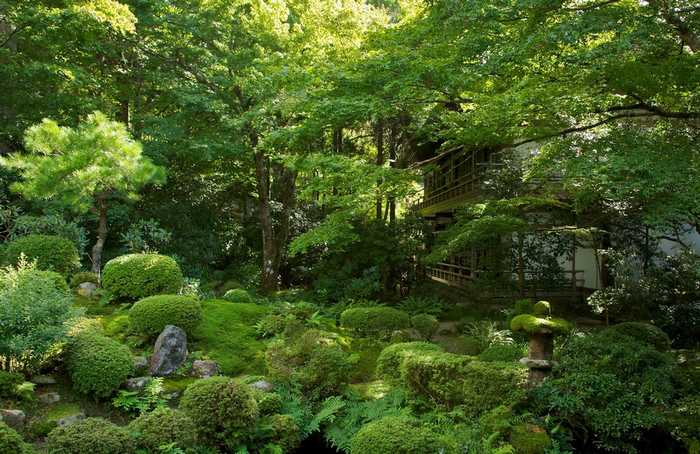
The rural town of Ohara hides this tranquil moss garden and its stone statues. The garden is part of the Sanzen-in temple, built at the end of the 10th century.
When Nature Meets Structure - The Art of Japanese Gardens
Shōsei-en
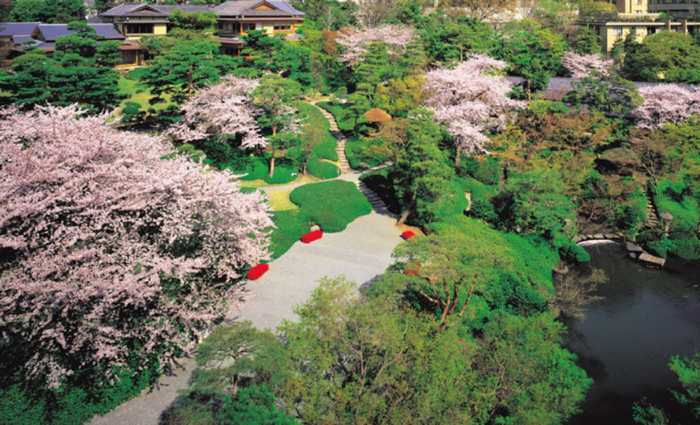
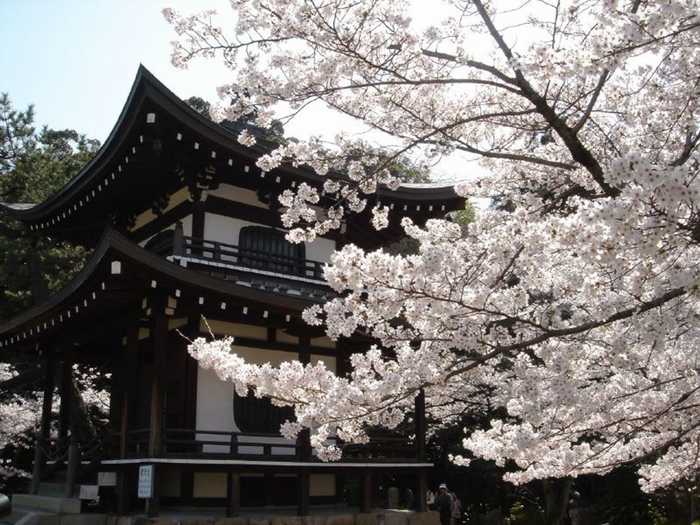
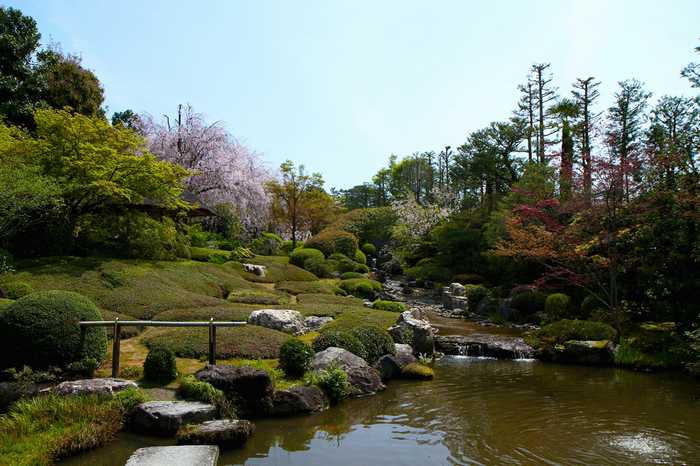
This garden belongs to the Higashi-Hongan-ji temple in Kyoto. The gardens you see in the picture were built in 1641 along with the original pond. The garden houses several Cherry trees that serve as a huge attraction in spring, when they bloom. Amazingly, this garden is located just a few meters away from the busy Kyoto station.
When Nature Meets Structure - The Art of Japanese Gardens
Taizō-in
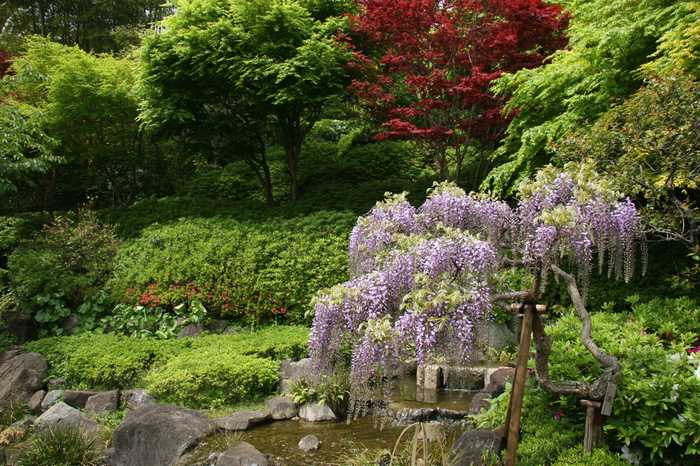
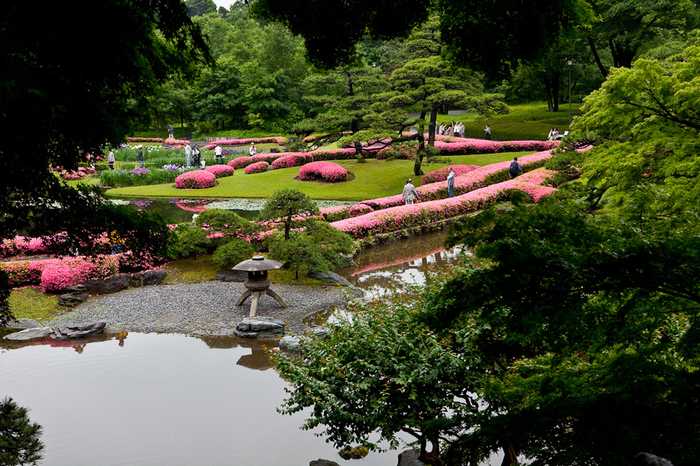
This is the newer garden of the Taizō-in temple, called yoko-en, built in 1963. The garden has several azaleas, along with a stream that cascades and flows into the pond, creating a spectacular view.
When Nature Meets Structure - The Art of Japanese Gardens
Tōji-in
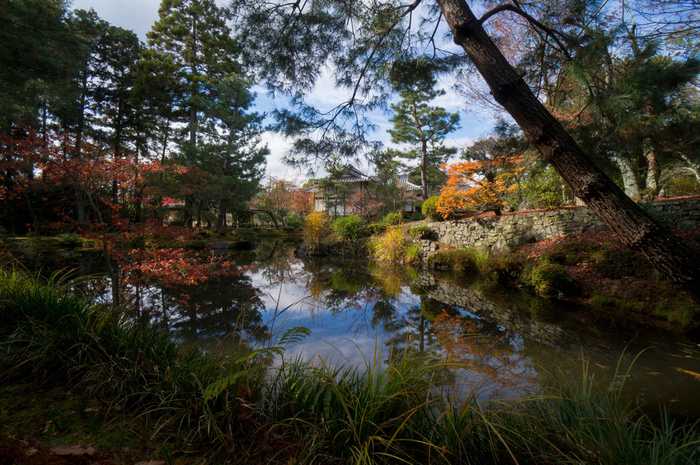
In 1341, emperor Takauji chose this spot, at the foot of Mount Kinugasa, to erect a temple on. This was the fulfillment of a vow he took while following the Zen teachings of Musō Soseki. Soseki also designed the gardens, pond and the tearoom.
When Nature Meets Structure - The Art of Japanese Gardens
Tokyo Imperial Palace Ninomaru Gardens

When Nature Meets Structure - The Art of Japanese Gardens
Tokyo National Museum
The Imperial Palace is the residence of the emperor of Japan, located in Tokyo. These breathtaking gardens are only open on the emperor’s birthday and on the first day of the new year.
When Nature Meets Structure - The Art of Japanese Gardens
Tonogayato Teien
Built between 1913 and 1915, these are the gardens of the estate of Eguchi Teijo, the Vice-President of the Manchurian Railway. They were later purchased by the director of Mitsubishi, who completed it and added a teahouse. The gardens are built in the traditional Japanese style and have been purchased by the Tokyo Metropolitan Government for preservation and public enjoyment.
When Nature Meets Structure - The Art of Japanese Gardens


ASIA --- GORGEOUS PHOTOS

Gorgeous Photos 

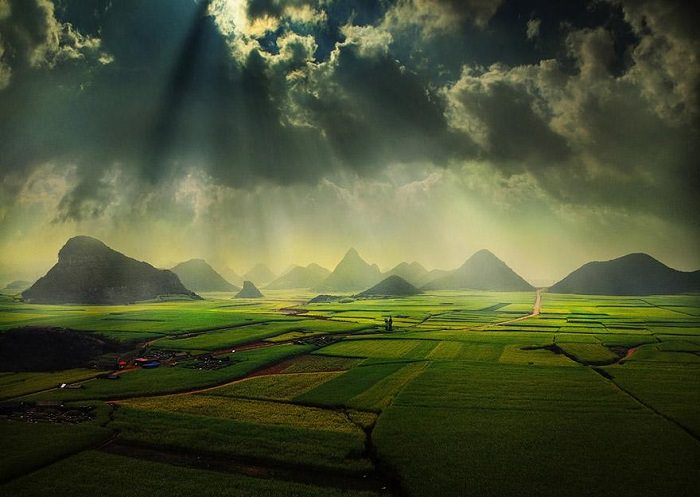
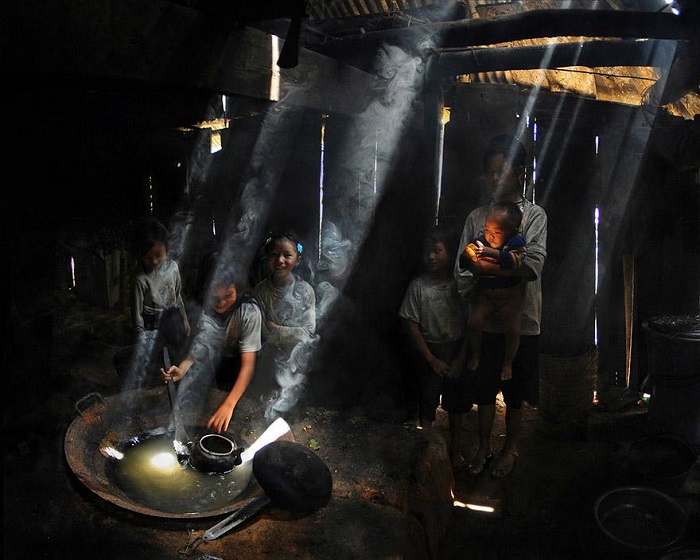
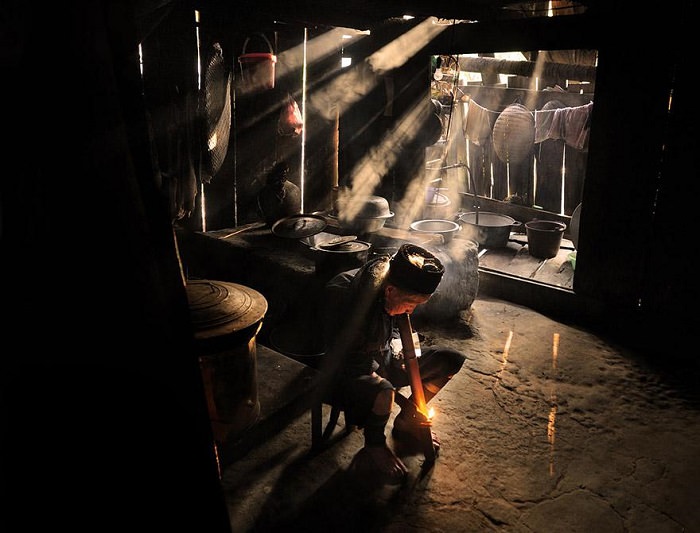
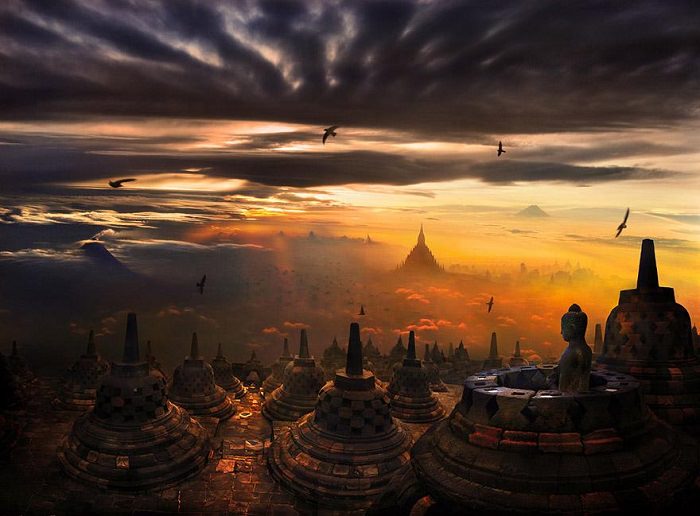
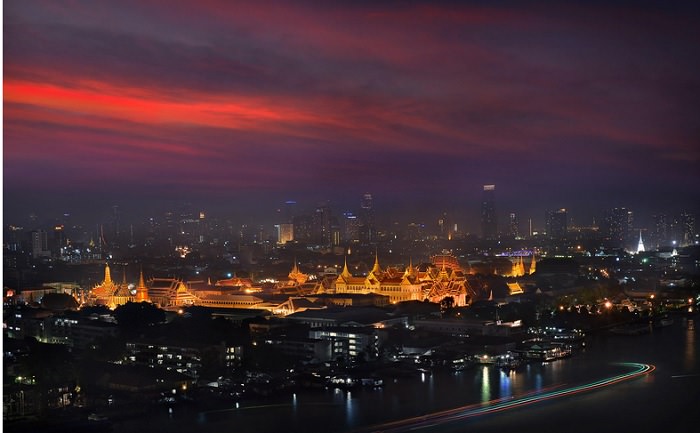
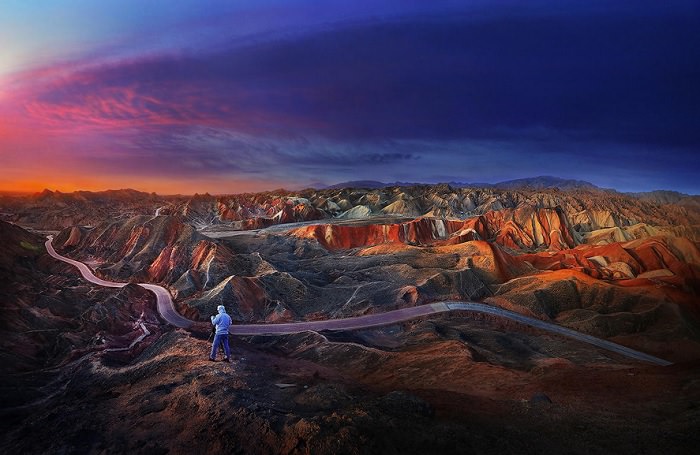
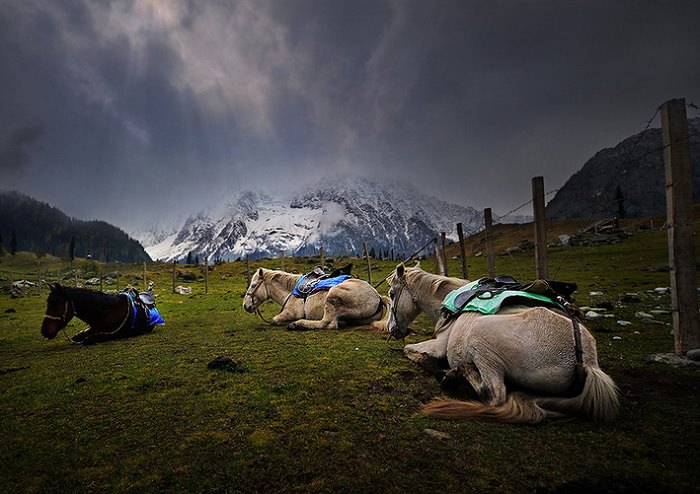
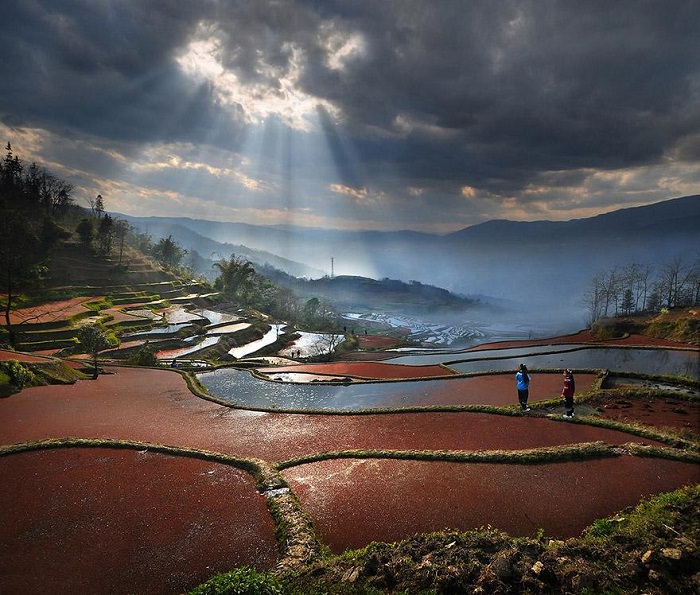
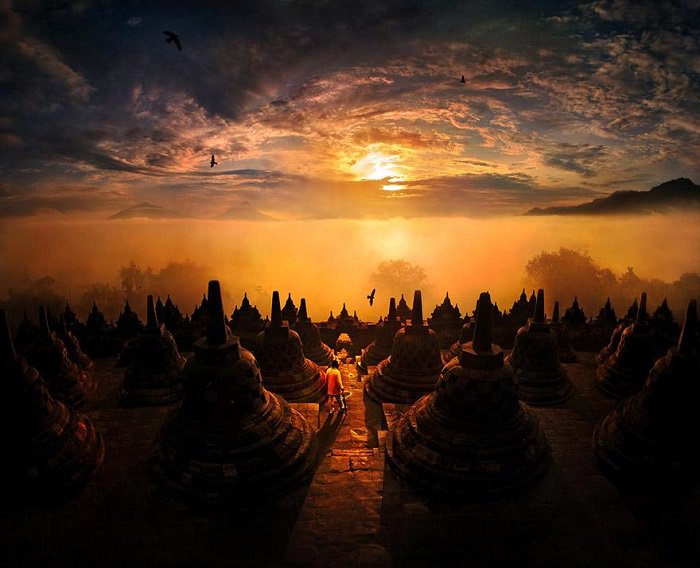
Asia, besides being the biggest and most populated continent, is a place of beauty and mystery with breathtaking landscapes and ancient traditions. Photographer Weerapong Chaipuck knows exactly how to bring out the best of this land, and it's incredibly hard to believe he took up photography not long ago, following a medical career. 

He attributes the beauty of his photos to timing. "When shooting landscapes, it is 100% natural, and pinpointing the exact time of day to shoot, whether that be 30 minutes before the sun begins to rise or 30 minutes before sunset, is a constant challenge. But that’s also what makes it all worth it." He says. 

I could look at these all day, the colors, the atmosphere, are simply magical. 

photographer weeraong

photographer weeraong

photographer weeraong

photographer weeraong

photographer weeraong

photographer weeraong

photographer weeraong

photographer weeraong

photographer weeraong

photographer weeraong

photographer weeraong

photographer weeraong

photographer weeraong

photographer weeraong

photographer weeraong

photographer weeraong


Russian SU24 Bomber Faces Off Against US Aegis Destroyer-- And Wins....12 Times.

The Rumor Mill News Reading Room 
Russian SU24 Bomber Faces Off Against US Aegis Destroyer-- And Wins....12 Times.
Posted By: Watchman
Date: Thursday, 13-Nov-2014 19:22:10

Russian Sukhoi Su -24 with the newest jamming complex paralyzed in the Black Sea the most modern American combat management system "Aegis" installed on the destroyer "USS Donald Cook". Pavel Zolotarev, Deputy Director, Institute of USA and Canada, shares details about this version which is being actively discussed in the Russian media and by bloggers.
US destroyer "Donald Cook" with cruise missiles "Tomahawk" entered the neutral waters of the Black Sea on April 10. The purpose was a demonstration of force and intimidation in connection with the position of Russia in Ukraine and Crimea. The appearance of American warships in these waters is in contradiction of the Montreux Convention about the nature and duration of stay in the Black Sea by the military ships of countries not washed by this sea.
In response, Russia sent an unarmed bomber Su- 24 to fly around the U.S. destroyer. However, experts say that this plane was equipped with the latest Russian electronic warfare complex. According to this version, "Aegis" spotted from afar the approaching aircraft, and sounded alarm. Everything went normally, American radars calculated the speed of the approaching target. And suddenly all the screens went blank. "Aegis" was not working any more, and the rockets could not get target information. Meanwhile, Su-24 flew over the deck of the destroyer, did battle turn and simulated missile attack on the target. Then it turned and repeated the maneuver. And did so 12 times.
Apparently, all efforts to revive the "Aegis" and provide target information for the defence failed. Russia's reaction to military pressure from the United States was profoundly calm, feels the Russian political scientist Pavel Zolotarev:
The demonstration was original enough. A bomber without any weapons, but having onboard equipment for jamming enemy radar, worked against a destroyer equipped with "Aegis", the most modern system of air and missile defence. But this system of mobile location, in this case the ship, has a significant drawback. That is, the target tracking capabilities. They work well when there is a number of these ships which can coordinate with each other somehow. In this case there was just one destroyer. And, apparently, the algorithm of the radar in the "Aegis” system on the destroyer did not load under the influence of jamming by the Su-24. It was therefore not only a nervous reaction to the fact of flying around by the Russin bomber which was common practice during the Cold War. The reaction of the Americans was due to the fact that most modern system, especially its informative or radar part, did not work adequately. Therefore, there was such a nervous reaction to the whole episode.
After the incident, the foreign media reported that "Donald Cook" was rushed into a port in Romania. There all the 27 members of the crew filed a letter of resignation. It seems that all 27 people have written that they are not going to risk their lives. This is indirectly confirmed by the Pentagon statement according to which the action demoralized the crew of the American ship.
What are the possible consequences of the incident provoked by the U.S. in the Black Sea? Pavel Zolotarev forecasts:
I think that Americans are somehow going to reflect on improving the system “Aegis". This is a purely military aspect. In political terms, there is hardly any likelihood of demonstrative steps by either side. That is enough. Meanwhile, for Americans it is a very unpleasant moment. In general, the missile defence system which they deploy involves huge expenditures. They have to prove each time that it is necessary to allocate funds from the budget. At the same time, the ground component of the ABM was tested in ideal conditions and showed a low efficiency. This fact is concealed by the Pentagon. The most modern component, the sea-based system "Aegis" also showed its shortcomings in the present case.
The system with which the Russian Su-24 shocked the American destroyer "Donald Cook" has the code name "Khibiny". This is the name of the mountain range on the Kola Peninsula in the Arctic Circle. "Khibiny" is the newest complex for radioelectronic jamming of the enemy. They will be installed on all the advanced Russian planes .
Recently the complex has undergone regular testing exercises on the ground in Buryatia. Apparently, the tests which were conducted under conditions as close to real as possible, were successful.
http://indian.ruvr.ru/2014_04_21/Russian-Su-24-scores-off-against-the-American-USS-Donald-Cook-5786/ 

Fulford, full NOV 11 article: "SIGNS OF CABAL DEFEAT ARE NOW OBVIOUS BUT, EXPECT ONE LAST BIG PUSH FOR WAR"

The Rumor Mill News Reading Room 
Fulford, full NOV 11 article: "SIGNS OF CABAL DEFEAT ARE NOW OBVIOUS BUT, EXPECT ONE LAST BIG PUSH FOR WAR"
Posted By: hobie [Send E-Mail]
Date: Thursday, 13-Nov-2014 20:00:47

Hi, Folks -
Found here:
http://www.fourwinds10.net/siterun_data/government/new_world_order/news.php?q=1415720956
=====
November 11, 2014
The signs of cabal defeat are now proliferating to an extent that can no longer be hidden from any but the most deeply brainwashed people in the West. The most obvious sign is the APEC meeting winding up today in China. There three of the world’s largest oil producers, Canada, Russia and Qatar signed new deals to trade oil in Yuan. This makes it a mathematical certainty the petrodollar is finished. Russia also announced it was de-pegging the Ruble from the petrodollar.
In England, meanwhile, multiple senior politicians are working towards creating government currency to replace the 300 year old Rothschild fiat currency regime, according to MI5 sources. On November 20th, for the first time in 170 years, the British Parliament will discuss this issue. This is link to a paper on the subject that has been distributed to all British MPs:
https://www.positivemoney.org/wp-content/uploads/2014/11/Backbench-Briefing-Note.pdf
The Japanese government is also seriously contemplating doing exactly the same thing. This means that all Japanese government debt will be written off in one fell swoop.
There are also indications the corporate government in the United States has gone into full crisis mode. For example, when this writer tried to access the official Russian Ria Novosti news site from his computer and his tablet device, he was redirected to an obvious disinformation site called “Sputnik News.” This came after the Russian government news site put out reports that American mercenaries were shelling the crash site of Malaysian airlines flight 17. This can only be described as an attempt by the American fascist regime to prevent the Europeans from finding out it was their supposed US allies who shot the passenger plane down.
The other sign that something big is going down with the US regime is the fact the Pentagon has warned its troops to not go out with Russian or Chinese women. This is a sort of measure taken in war time to prevent military secrets from leaking out. Finally, CNN has shut down its Russian operations, again the sort of thing that happens in war time.
The Russians, for their part, have started a major push to seize the remaining ethnically Russian districts in the Ukraine as well as the gas fields in the Sea of Azov.
The US corporate government is in no position to win any war against Russia and China at this point in time because neither its NATO allies nor Japan are going to go along with such a suicidal and world-destroying plan.
The more likely outcome will be the overthrow of the US corporate government and the restoration of the Republic of the United States of America.
Another reason for cabal panic is a criminal trial that started on November 10th in London, England where evidence will be presented that the 311 tsunami and nuclear disaster in Japan was a terrorist attack. The trial is being held to determine whether UK lawyer Michael Shrimpton gave false warnings about a nuclear terror threat to the 2012 London Olympics. Here is a link to a Daily Mail article about the trial.
http://www.dailymail.co.uk/news/article-2828974/Barrister-bomb-hoax-calls-Defence-Secretary-claiming-London-2012-Queen-targets-court-hears.html
The defendant has lined up multiple witnesses to bolster his claim that the nuclear terror threat was real and that Japan had already experienced a nuclear terror attack. This writer is scheduled to be one of the witnesses at the trial.
The trial is important because it will bring lots of information that has appeared online under the forensic scrutiny of a criminal court. If the evidence is good, it will then lead to criminal charges eventually being filed against the perpetrators of 311. The Japanese and North Koreans involved in the attack have been offered, and have accepted, amnesty in exchange for providing information about 311.
The trial is expected to be a fair one because there are proliferating signs the UK is freeing itself of cabal influence. The ongoing investigation into a high level pedophile ring there is the clearest evidence of this. British newspapers are now reporting, for example, that Sir Peter Hayman, former Deputy Head of MI6 British foreign intelligence was a pedophile rapist. Investigators into the pedophilia network are particularly interested in cases where pedophilia was used to blackmail politicians and influence government policy.
The other indication is that the British and European dominated Financial Stability Board, an international financial regulator, has come up with regulations to make sure tax payers never again have to bail out “too big to fail” financial institutions like happened after the Lehman shock of 2008. This is clearly aimed at the big US banking institutions that own the Federal Reserve Board and looted US taxpayers in 2008.
Japan is also showing signs of being ready to make a decisive break with the cabal. On November 10th, for example, this writer spent much of the day in a Rupert Murdoch owned TV studio with a group of panelists who were allowed to openly discuss previously taboo subjects. This writer talked about how ebola was a US cabal bio-weapon, that Malaysian Air flight 370 and flight 17 shot down in the Ukraine were the same plane and that ISIS was a creation of Mossad and US intelligence. Other panelists made similar claims. One of them, blogger Richard Koshimizu, talked about a homosexual blackmail network involving senior Japanese politicians.
It remains to be seen how much of this will appear when the show is broadcast after editing but the fact that Murdoch is recording such shows is a sign at least one corporate media oligarch is interested in the truth.
Japan is expected to hold another general election in December that could lead to fundamental regime change, multiple government sources here say. There will be a big fight behind the scenes between the old guard behind Abe and the Japan revolutionary faction over the coming days to decide this issue.
Abe has been damaged in Japan after he was forced to promise to stop provoking China and to eat humble pie in in order to get a token meeting with Chinese strongman Xi Jinping.
In North Korea, the US agencies recently secretly helped keep Kim Jong Un in power and prevented the take-over of that country by a Chinese led faction, according to pentagon sources. That is why North Korea released its last two American prisoners.
The Pentagon forces in Asia know that it is the Japanese and Chinese who are paying their bills these days. That is why they have an interest in acting as a peace-keeper in the region.
http://benjaminfulford.net/
http://www.shiftfrequency.com/ben-fulford-nov-11-2014-signs-of-cabal-defeat-are-now-obvious-but-expect-one-last-big-push-for-war/